Vocational Skills
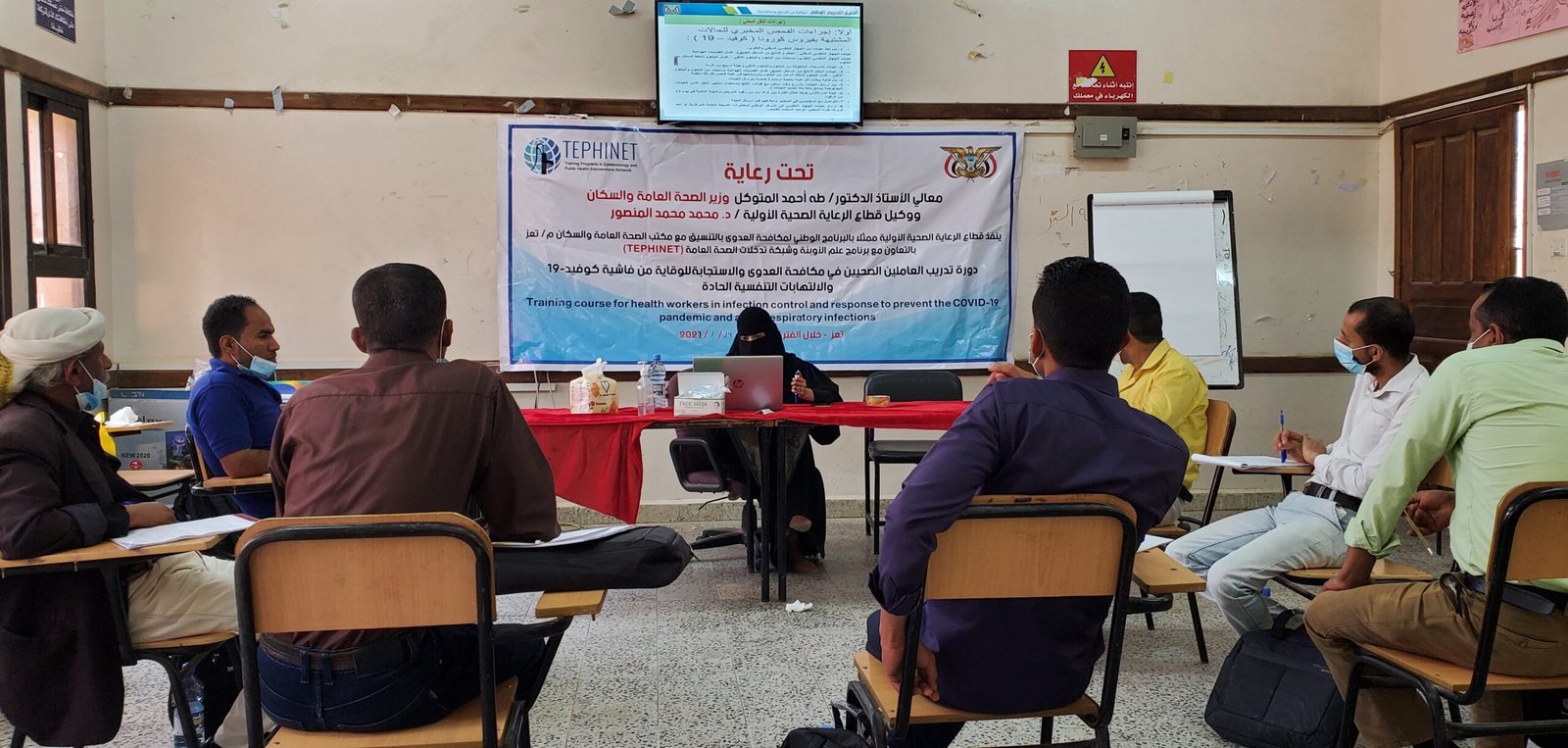
FVO conducts short-term, often residential courses of 2 to 3 months in duration, focusing on young men and women from rural areas and urban slums. The model is based on strong industry linkages and youth counseling and focuses on hands-on skills training. Courses taught include construction (including electrical, plumbing, masonry and welding), hospitality (housekeeping, food and beverage service and food production), automotive mechanic, healthcare nursing and beauty and wellness services. In addition to industry-specific skills, students also learn basic English, computer literacy and life skills. FVO has a four-step approach to its vocational training programs.
Literacy Programs
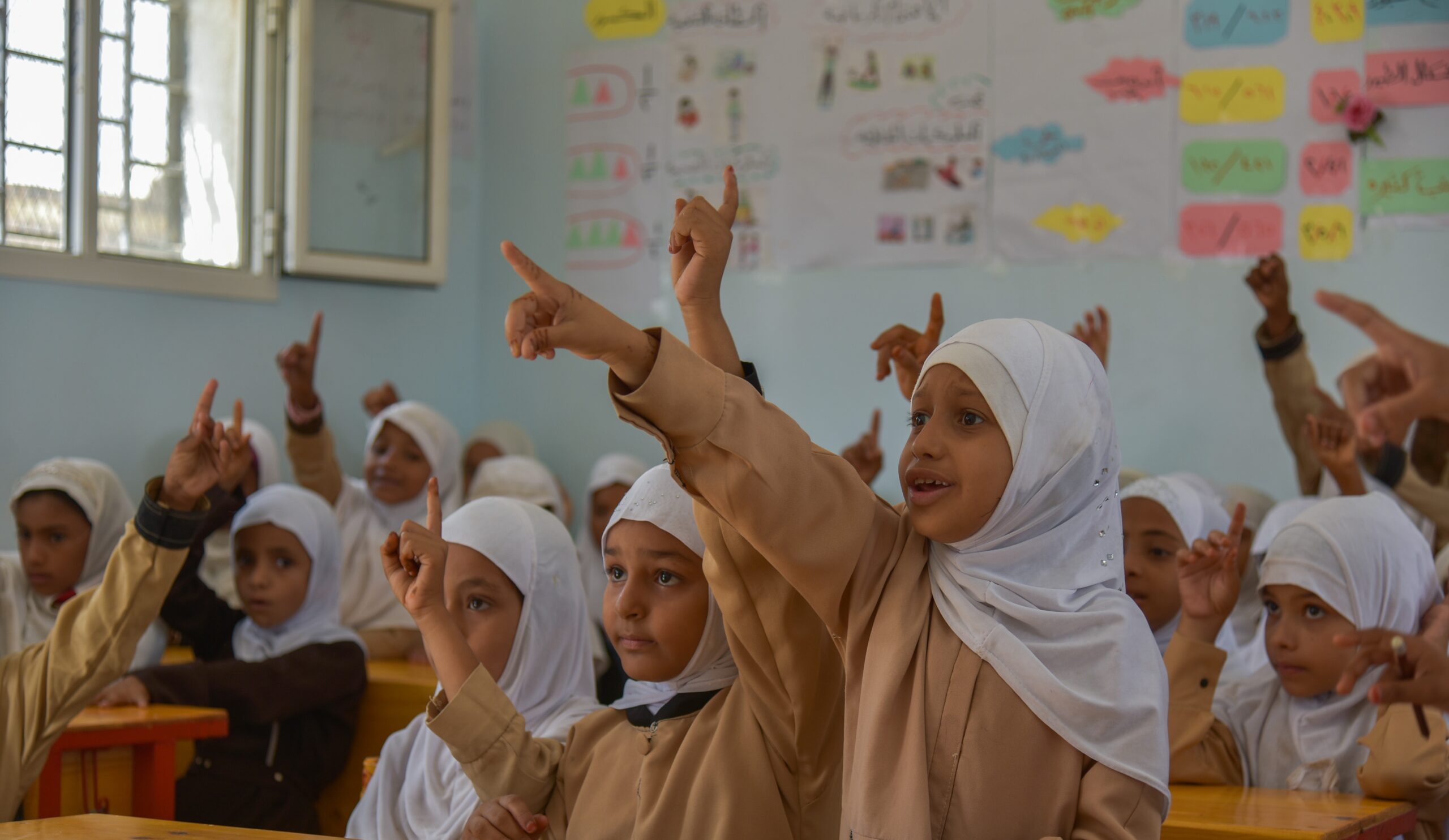
We design our literacy programs to create long-term, systemic change in the places where we work. That means working closely with communities to ensure activities in schools are sustained for many years after Room to Read intervention. We work with communities early in project planning and share costs to establish local ownership, as well as equipping them with the knowledge and skills to continue activities in schools and sourcebooks themselves.
We also advocate for and work in partnership with, governments to scale effective literacy initiatives in order to respond to a country’s need at the national level. To enable this, we use replicable interventions based on global research and best practices for helping students in text-poor communities become fluent readers. The data from our project schools demonstrate to governments the kind of impact that is possible with well-designed materials and training. This helps us to work with Ministries of Education to promote widespread policy and curriculum changes that impact children beyond our program schools. These partnerships ensure that we complement national efforts, and sustain and scale programs nationally.