
Education in Emergencies
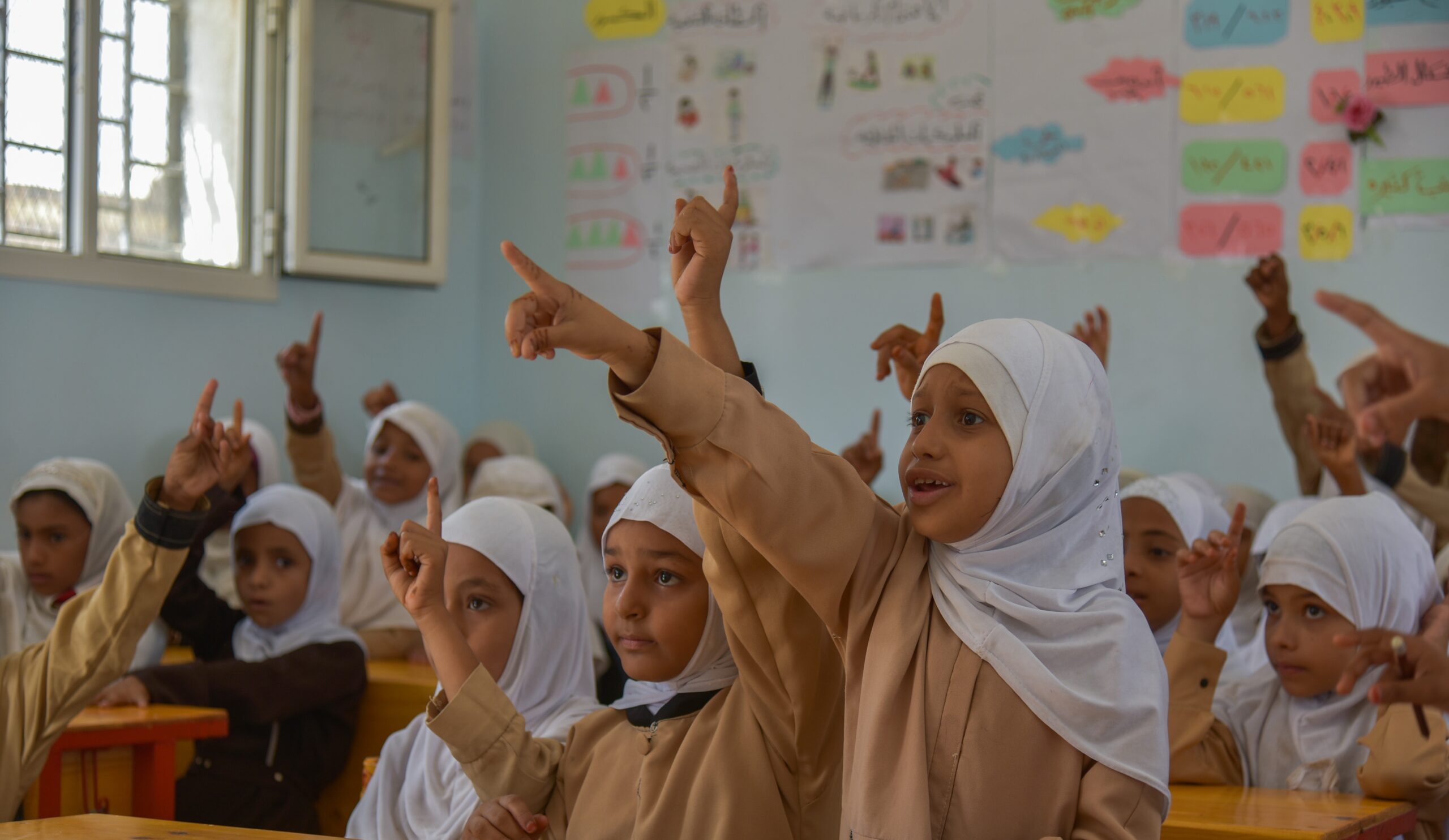
FVO aims to help children affected by humanitarian crises to have access to safe, quality and accredited primary and secondary education. Education in emergencies projects focus on helping children who are out of school back into education. They also ensure their retention through various formal and non-formal education pathways. As the quality of education greatly depends on teachers, FVO action supports teachers with different types of training, coaching, and protection actions. In emergencies, education actions go hand in hand with protection, providing safe and healing learning spaces and, where needed, links to specialized child protection services. All FVO’s education programs in emergencies projects have integrated protection elements. FVO is increasingly focusing on the protection of education from attack and the rollout of the Safe Schools Declaration. Every FVO action takes into account the different needs of children based on their age, gender and other specific circumstances.
Creating Teaching and Learning Materials
FVO supports the development and use of teaching and learning materials as an essential part of developing children’s literacy skills. This is a central component to sustainability and true transformation within society. FVO also trains teachers, parents and communities to understand how these resources can be used in different ways to strengthen children’s literacy skills.
School Meals
FVO’s ensure that all school-aged children have access to school meals and are healthy and ready to learn, better health and nutrition allow children to learn and perform better, broadening their educational opportunities. School feeding and health programmes empower girls by dissuading parents from marrying them off early, which halts their education and can result in child pregnancies. School feeding programmes act as an incentive for families to enroll and keep children in school. Relieving parents from having to budget for lunches, they boost incomes and help to alleviate poverty.
Early Education
FVO addresses gaps in education systems with innovative, low-cost, replicable interventions that span the age spectrum. Working both directly and through government systems, these programs collectively reach millions of children and thousands of school dropouts each year. In “direct” work, a FVO instructor works with children either in the school or in the community, whereas the “partnership” model involves FVO teams working closely with government teams at the state, district or city level to design and implement programs. FVO’s approach to improving learning outcomes continues to serve as a model within Yemen.